
Local meeting primer: Sturgis City Commission
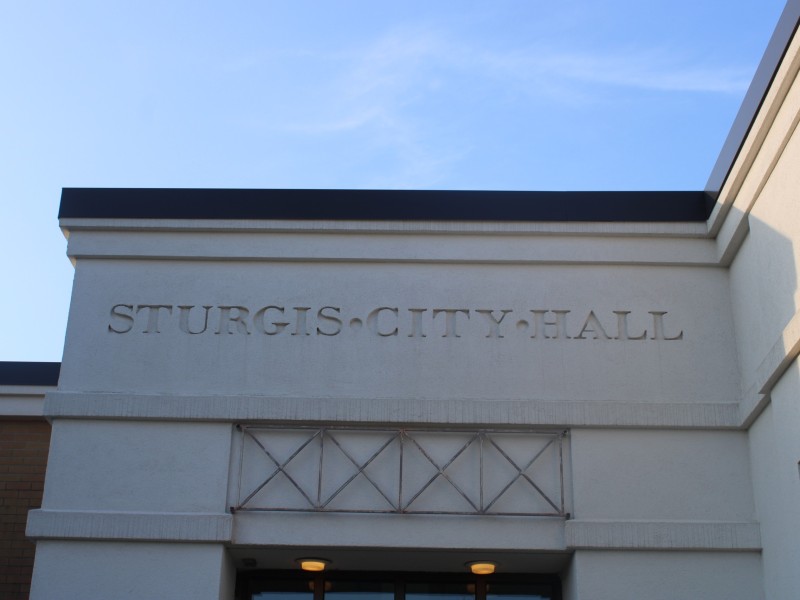
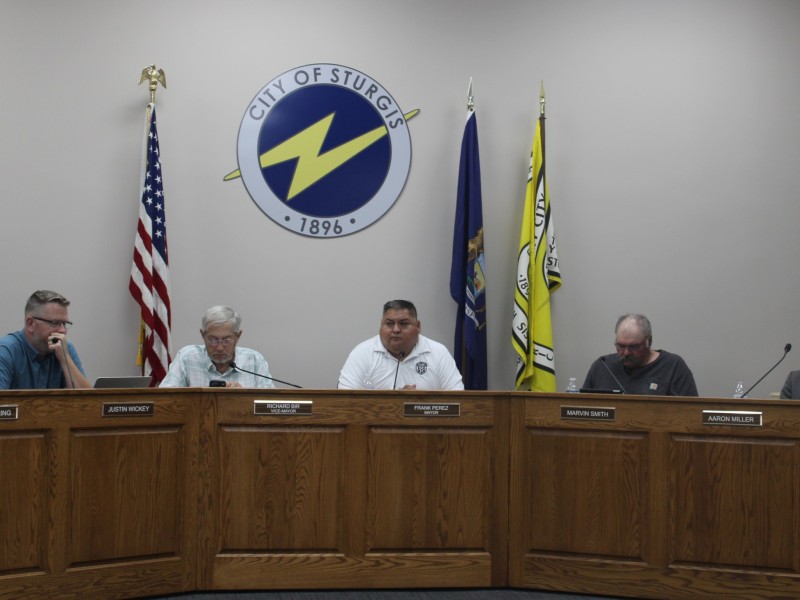
A quarterly finance report, compost site rule changes, and a letter of intent on three electric generators round out the Sturgis City Commission’s agenda for its meeting on Wednesday, March 25.
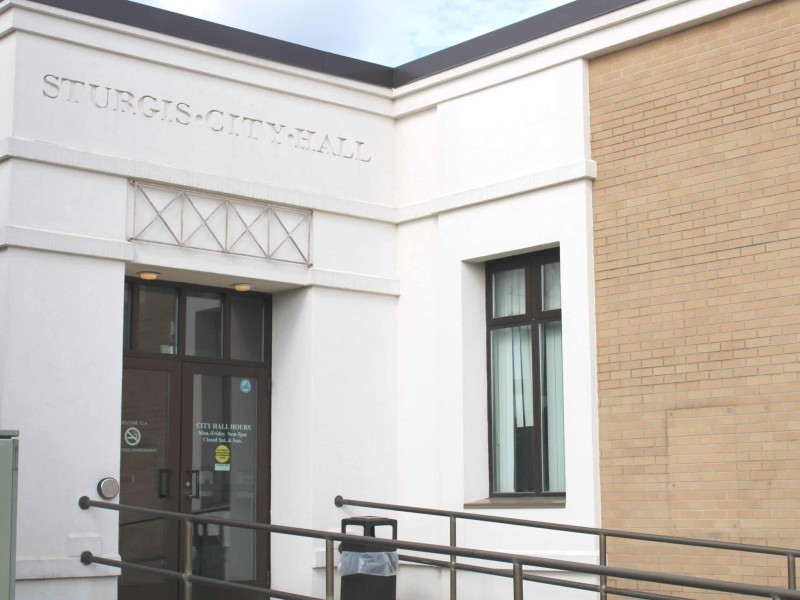
A quarterly finance report, compost site rule changes, and a letter of intent on three electric generators round out the Sturgis City Commission’s agenda for its meeting on Wednesday, March 25.
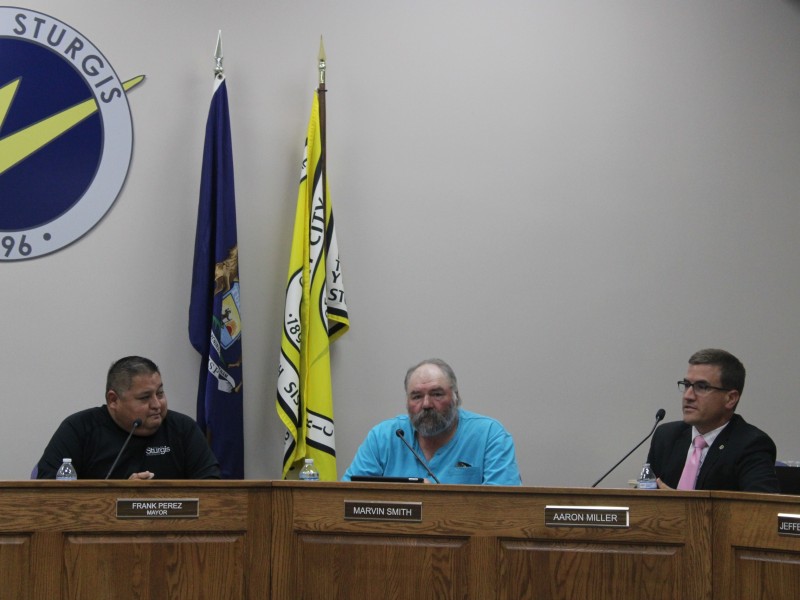
Commissioners plan to use the first and second readings to gather public input. During the September meeting, Commissioner Aaron Miller said he expects the city will hear from residents throughout the first year of the program.
Commissioners will hold a public hearing and likely vote on a zoning ordinance amendment allowing group housing for veterans in residential and business districts. The ordinance defines “Veterans Family Homes” and “Veterans Group Housing” by size (2-20 residents) and sets location and permit requirements. The measure, developed with input from the St. Joseph County Veterans Affairs Department, aims to expand housing options for local veterans.
In brief discussion, the commission signaled interest in exploring ways to enable building on substandard legacy lots — potentially through setback or variance pathways — so more infill housing could be feasible, with further work expected through the planning commission and master plan process.
City staff will present third-quarter financials, reflecting 75 percent of the year’s budget. Finances are generally stable, with higher-than-expected revenue in the ambulance, water, and sewer funds. However, the Doyle Community Center continues to struggle, and the Local Development Financing Authority (LDFA) took a hit from a recent tax tribunal ruling that reduced its tax capture.
Commissioners will consider whether the city should join the new national settlement with Purdue and the Sackler family. Funds are first allocated to states and then distributed to participating local governments.
The change comes as part of a broader push to improve communication. The city's updated website, which launched this week, now features a direct link to the livestreams.
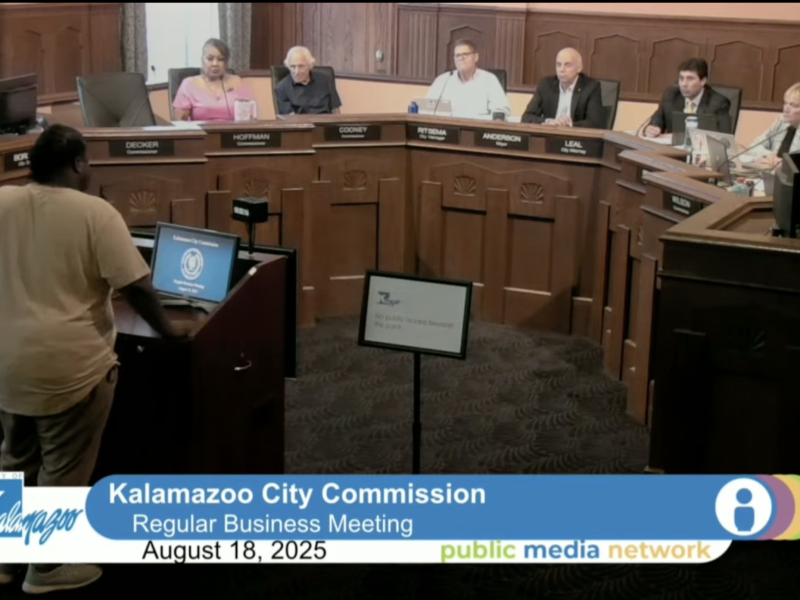
During commissioner comments, Commissioner Stephanie Hoffman described a frightening experience the previous Friday, when three bullets struck her home. “I will be forever changed,” Hoffman said. “What we have been doing is not working. I want us to figure out as a community how we can create other avenues to address gun violence. Please, please put the guns down and choose life.”

The Commission is expected to vote on adopting its updated WeAreTR: Imagine 2040 Master Plan, a long-term blueprint that guides city growth and development through 2040. The plan outlines policies and goals for housing, downtown redevelopment, transportation, recreation, and land use.
City Manager Andrew Kuk presented the budget in detail, noting $11.74 million in total revenue and transfers against $12.31 million in expenditures and transfers. The general fund's largest spending areas include police and fire services at $5.75 million, general government at $1.88 million, and recreation and culture at $808,488.

A NOTE FROM OUR EDITOR
Become a monthly donor today
A monthly donation of $5 or more can make a difference.