Advertisement

Farming

|

Critters, Culture, and Compost: Happy Lughnasadh!

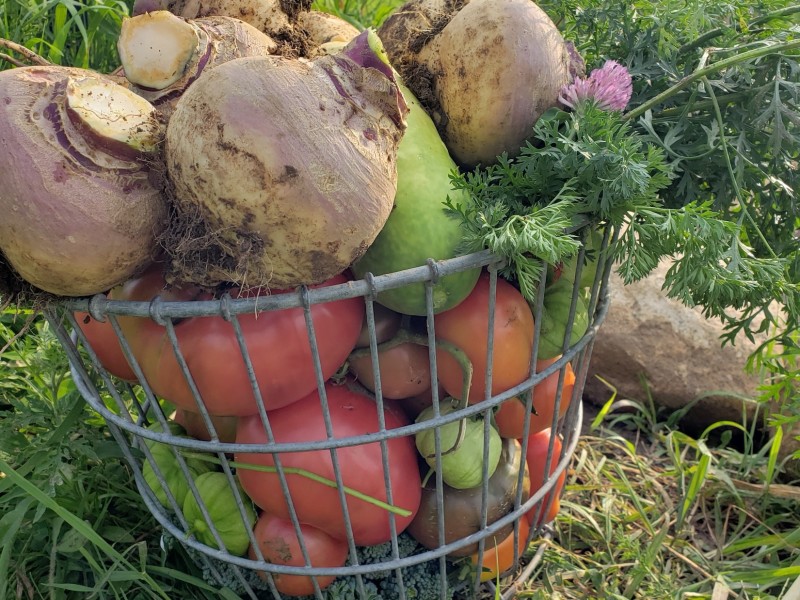
WSV’s Amy East writes, “Having a garden, doesn’t matter how big or small, means living in tune with the seasons. For me, it means focusing less on man-made constructs of time and more on the natural cycle of the earth. Growing food not only feeds your body, but (in my oh so humble opinion) feeds your soul by connecting you to nature. And so, while it can be overwhelming and no short amount of work, I love the bounty of food that each late summer brings with it. I love putting up as much as I can before the frost returns, and feeding my family with homegrown produce through the cold months.”
Advertisement
Latest in Farming
||
The Good, the Bad, and the Ugly…. of Critters

WSV’s Amy East writes, “With the first dumped feeders and somewhat pillaged barn, I got the traps back out this spring. And despite the first two catches going smoothly, I walked to the barn several days ago to be met with a scattering of chicken feathers outside the barn door. Not good. I’ll spare you the details, dear reader, but suffice it to say that it was carnage. As of this writing, I’ve lost eight chickens and we’ve dispatched additional two raccoons, and it’s not over yet. We’ve upped security measures and changed tactics, yet the ringleader is still at-large.”

Environmentalists make long-shot attempt to ban new factory farms

For decades, scientists have studied the effects that livestock farms with large animal concentrations in Iowa and other states have on regional water quality, as increasing amounts of waste flow into rivers and groundwater. Now activists and some lawmakers say emergency measures are needed to stop toxic algae blooms in Lake Erie, dead zones in the Gulf of Mexico and Chesapeake Bay, and threats to drinking water in rural communities. In some states, lawmakers worry about the future of smaller family farms.

Interns Featured Image
*cino Staff Makes Work Move Forward

Watershed Voice spoke with ten *culture is not optional staff to learn more about the work they are doing at The Huss Project, their backgrounds, and how their time in Three Rivers has been going.

A NOTE FROM OUR EDITOR

Become a monthly donor today

A monthly donation of $5 or more can make a difference.